
EPA does not have to begin with fish.
Eicosapentaenoic acid, usually shortened to EPA, is a long-chain omega-3 fatty acid found in marine food systems and widely used across nutraceutical, dietary supplement and nutrition applications.
Fish and fish oil are familiar commercial sources of EPA, but they are not the biological starting point of the marine omega-3 food chain. Microalgae can synthesise long-chain omega-3 fatty acids, including EPA, and these compounds can then move through aquatic food webs.
That creates another production route: rather than obtaining EPA indirectly from harvested marine organisms, selected microalgae can be cultivated and processed directly into EPA-containing ingredients.
For ingredient buyers, however, “algae-derived EPA” is only the beginning of the specification. The organism, fatty-acid profile, cultivation system, downstream process, stability, regulatory status and finished ingredient format all matter.
What is EPA?
EPA — eicosapentaenoic acid — is one of the principal long-chain omega-3 polyunsaturated fatty acids.
The US National Institutes of Health identifies three omega-3 fatty acids that receive most scientific attention:
- alpha-linolenic acid (ALA)
- eicosapentaenoic acid (EPA)
- docosahexaenoic acid (DHA)
EPA and DHA are commonly associated with fish and seafood because these foods can contain meaningful concentrations of long-chain omega-3 fatty acids. However, the broader biological picture starts lower in aquatic food webs.
For an ingredient buyer, it is useful to distinguish EPA itself from the material used to deliver it.
An ingredient may contain EPA as part of:
- a refined oil
- a concentrated lipid ingredient
- whole-cell or partially processed microalgae biomass
- a blended EPA/DHA oil
- another formulated ingredient system
Those formats are not automatically interchangeable.
The relevant question is therefore not simply:
“Does this ingredient contain omega-3?”
It is:
“What is the actual fatty-acid profile, EPA concentration, product format and specification?”
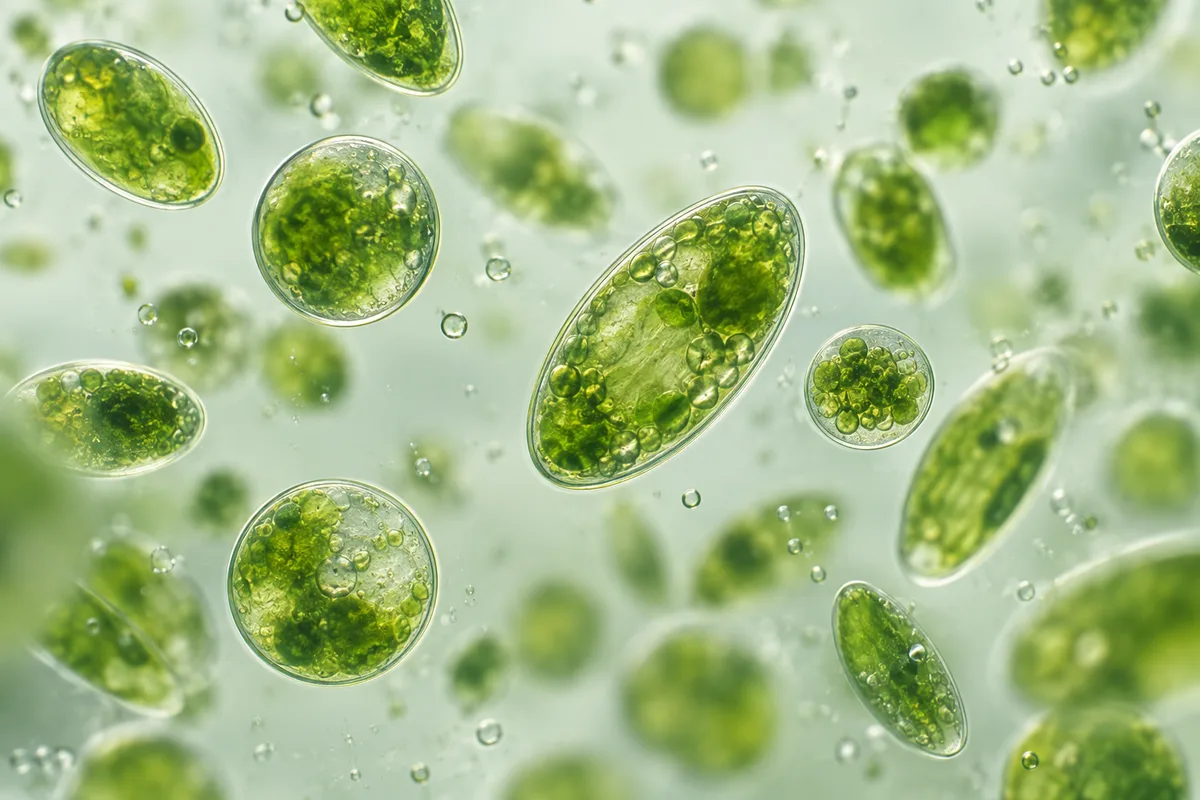
Where does algae-derived EPA come from?
Many microalgae are capable of producing lipids, and selected species can synthesise substantial quantities of long-chain omega-3 fatty acids.
Peer-reviewed research has documented microalgae as direct biological sources of both EPA and DHA, although the amount and composition vary considerably between organisms.
That variation matters commercially.
One strain may produce a lipid profile suited to DHA production. Another may be more relevant to EPA. Even within the same organism, cultivation conditions can influence biomass productivity, lipid accumulation and composition.
This is why “algal oil” should not be treated as one uniform ingredient category.
The biological source affects:
- EPA concentration
- DHA concentration
- EPA:DHA ratio
- total lipid content
- other fatty acids
- pigments and minor compounds
- downstream processing requirements
- sensory characteristics
- potential applications
For a commercial ingredient programme, strain selection therefore needs to be linked to the required product rather than considered in isolation.
How is EPA produced from microalgae?
There is no single universal process for producing algae-derived EPA.
The exact route depends on the organism, cultivation method, required specification and final ingredient format.
At a high level, production can involve the following stages.
1. Strain selection
A suitable microalgae strain must first demonstrate the characteristics required for the intended product.
For an EPA-focused ingredient, these could include:
- biomass productivity
- EPA content
- lipid composition
- culture stability
- tolerance to operating conditions
- harvestability
- downstream recovery
- reproducibility
Laboratory composition alone is not enough. A strain also needs to perform reliably within a practical production system.
2. Controlled cultivation
The selected organism is cultivated under conditions intended to support consistent biological performance.
Depending on the organism and production method, relevant variables can include:
- light
- temperature
- carbon supply
- nutrients
- pH
- mixing
- culture density
- residence time
- contamination control
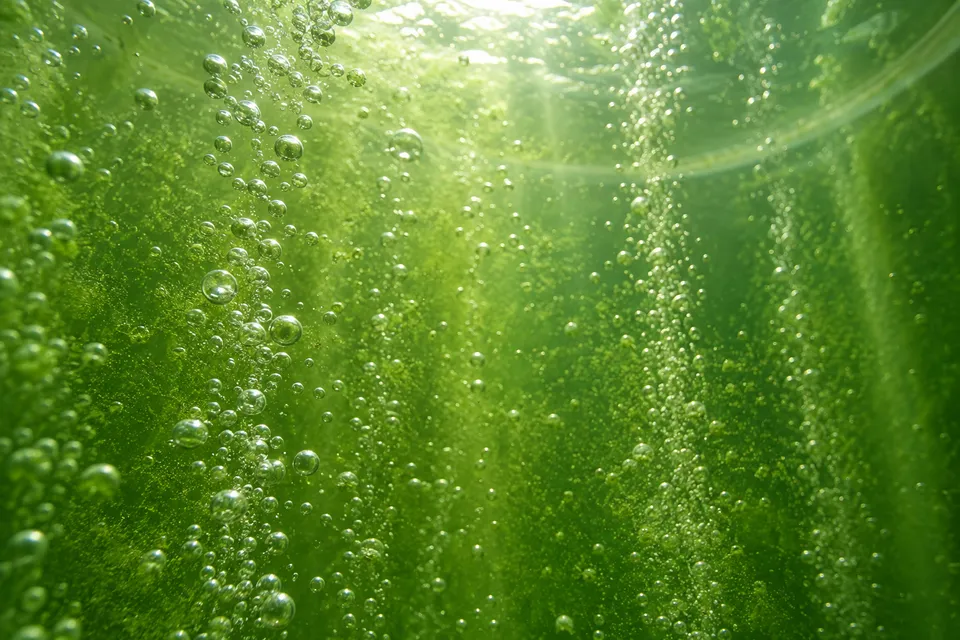
Closed photobioreactors, or PBRs, are one method used to cultivate microalgae under controlled conditions.
A PBR does not automatically guarantee high productivity or a particular EPA concentration. Its value depends on how the biological system and operating conditions perform together.
3. Harvesting and dewatering
Microalgae cultures contain a large proportion of water.
The biomass therefore needs to be separated from the culture medium and concentrated before many downstream processes become practical.
Harvesting and dewatering can materially affect production cost, product recovery and process efficiency.
4. Biomass processing
The next step depends heavily on the intended product.
Some applications may use conditioned or dried whole-cell biomass.
EPA-rich oil production generally requires further lipid recovery and processing.
Potential processing operations can include:
- cell disruption
- lipid extraction
- separation
- purification
- concentration
- refining
- stabilisation
Scientific literature describes a range of extraction and purification techniques, including solvent-based methods and supercritical-fluid processes. The most suitable route depends on product requirements, recovery, scale, food-safety considerations and economics.
5. Finished ingredient and quality control
The final material must then be produced and tested against a defined specification.
That can include measurements for:
- EPA content
- total fatty-acid profile
- oxidation
- moisture
- microbiology
- contaminants
- stability
- sensory characteristics
- identity
- batch consistency
For commercial customers, the ingredient specification is ultimately as important as the underlying cultivation technology.
Is algae-derived EPA the same as fish-oil EPA?
Chemically, EPA is still eicosapentaenoic acid regardless of the biological source.
But that does not mean algae-derived and marine-derived ingredients are commercially identical.
The finished ingredient can differ in:
- overall fatty-acid composition
- EPA:DHA ratio
- concentration
- lipid form
- accompanying compounds
- processing history
- antioxidants and stabilisers
- sensory characteristics
- contaminant profile
- documentation
- regulatory status
- certification
- traceability
For this reason, buyers should compare finished ingredient specifications, not simply the source description.
An algae-derived ingredient should not be assumed to be superior solely because it is algae-derived. Equally, it should not be assumed to behave exactly like an existing fish-oil ingredient.
Product qualification remains essential.
Why are companies interested in algae-derived EPA?
Interest in microalgae-derived omega-3 comes from several different commercial considerations.
A direct biological source
Microalgae can produce long-chain omega-3 fatty acids directly.
This allows EPA-containing ingredients to be developed without relying on fish as the immediate raw-material source.
Source diversification
For some buyers, algae can provide an additional source alongside established marine supply.
That can be relevant where procurement teams are assessing resilience, geographical diversification or future supply options.
It does not mean marine omega-3 disappears from the market. It creates another possible production route.
Non-fish product development
Algae-derived ingredients can also be relevant to product developers seeking non-fish ingredient origins.
The finished-product positioning still depends on the complete formulation, manufacturing process, certification and applicable market rules.
Controlled production
Cultivated microalgae can be produced within managed biological systems rather than obtained through capture fisheries.
This can allow producers to measure and control key cultivation variables.
However, controlled cultivation should not be confused with guaranteed commercial performance. Productivity, uptime, energy demand, contamination control and downstream recovery still need to be demonstrated.
Different fatty-acid profiles
Microalgae represent a diverse group of organisms rather than a single biological feedstock.
That creates opportunities to select organisms and processes around particular lipid profiles, including EPA-rich products.
What should ingredient buyers evaluate?
A credible algae-derived EPA supplier should be able to answer considerably more than where the ingredient comes from.
EPA concentration and fatty-acid profile
Buyers should understand:
- EPA concentration
- DHA concentration
- total omega-3
- EPA:DHA ratio
- other major fatty acids
- basis of measurement
A headline EPA number without a full fatty-acid profile provides limited information.
Product format
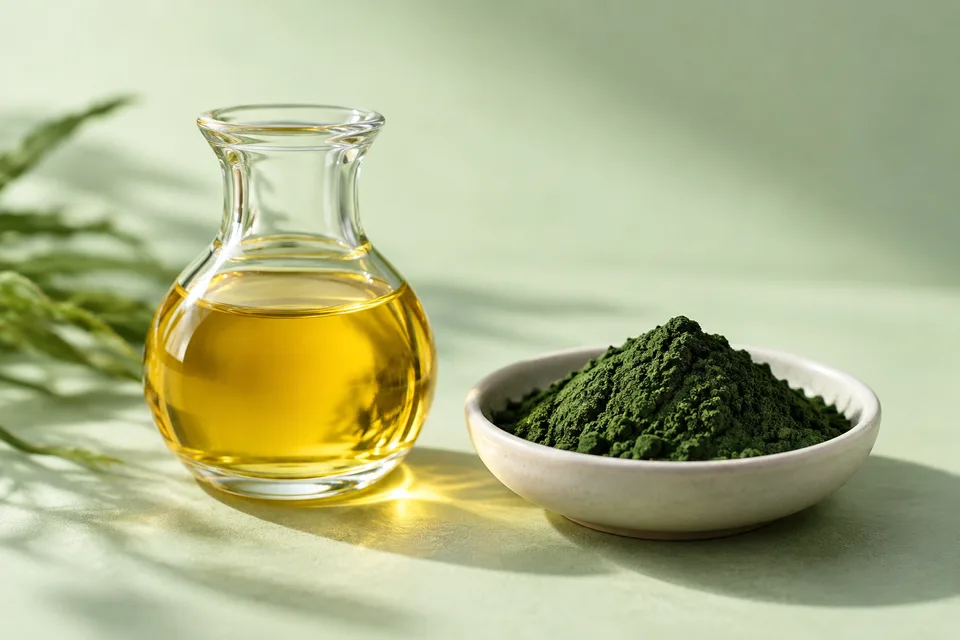
The material could be supplied as:
- crude or refined oil
- concentrated oil
- encapsulated ingredient
- dried biomass
- whole-cell powder
- another formulated format
The appropriate format depends on the intended finished product and manufacturing process.
Oxidative stability
Long-chain polyunsaturated fatty acids are susceptible to oxidation.
Processing, storage, oxygen exposure, temperature, packaging and antioxidant systems can all influence stability.
Buyers should therefore understand relevant oxidation specifications and the supplier's approach to product handling and shelf life.
Sensory performance
Taste, odour and appearance can matter significantly in finished formulations.
Sensory expectations may differ between capsules, powders, beverages and functional foods.
This should be evaluated through actual application trials rather than assumed from the ingredient description.
Quality and contaminants
Required testing depends on the product, market and customer specification but can include:
- microbiological limits
- heavy metals
- process contaminants
- residual processing materials where relevant
- oxidation markers
- composition
- identity
Regulatory status
The regulatory position of a microalgae ingredient depends on several factors, including:
- organism
- production process
- ingredient format
- intended use
- target country
- proposed claims
The fact that one algal omega-3 ingredient is already sold in a market does not automatically establish the regulatory status of another organism or production route.
Documentation and certification
Commercial customers may require documentation covering:
- Certificate of Analysis
- product specification
- manufacturing controls
- traceability
- food-safety systems
- allergen status
- GMO status where relevant
- country of origin
- certification requirements
- stability data
These requirements should be understood early in product development.
Why customer requirements matter before scale-up
An algae-EPA process can perform technically and still produce the wrong commercial ingredient.
For example, a process might generate strong EPA productivity but produce an oil that does not meet a customer's target concentration, oxidation limit, sensory requirement or preferred format.
That is why customer qualification and technical development should not occur as completely separate activities.
Customer requirements help define the product.
The required product then influences downstream processing.
Processing requirements can, in turn, influence cultivation decisions and commercial economics.
For a developing supplier, this makes early customer engagement an engineering and product-development input — not simply a sales activity.
Where NuFoods Biotech fits
NuFoods Biotech is developing an EPA-focused microalgae ingredient platform in New Zealand.
The current programme is intended to validate the biology, cultivation performance, downstream processing, product quality and customer requirements needed before commercial scale-up.
NuFoods is evaluating controlled photobioreactor cultivation and downstream processing routes for EPA-rich algal oil and related microalgae ingredients.
The objective of the early development programme is not to assume commercial performance in advance.
It is to generate the evidence required to define:
- the appropriate strain
- repeatable productivity
- fatty-acid composition
- cultivation conditions
- recovery and processing performance
- product specification
- energy requirements
- customer qualification requirements
- commercial production design
Customer feedback is intended to form part of that development process so that technical decisions are made around an ingredient customers can actually use.
FAQ
What is algae-derived EPA?
Algae-derived EPA is eicosapentaenoic acid produced from microalgae rather than obtained from fish or other marine-animal sources. Selected microalgae can synthesise EPA directly and can be cultivated and processed into EPA-containing ingredients.
Is EPA naturally produced by algae?
Some microalgae naturally synthesise EPA and other long-chain omega-3 fatty acids. The concentration varies substantially between species, strains and cultivation conditions.
Is algae-derived EPA vegan?
An algae-derived EPA ingredient can provide a non-fish source of EPA. Whether a finished consumer product can be described as vegan depends on all ingredients, processing aids, manufacturing practices and applicable certification or labelling requirements.
Is algae-derived EPA the same as DHA?
No. EPA and DHA are different long-chain omega-3 fatty acids. Both can occur in microalgae, but their concentrations and ratios vary between organisms and finished ingredients.
Can algae replace fish oil?
Algae-derived omega-3 can provide an additional source of EPA and DHA for some applications. Whether it can replace a particular fish-oil ingredient depends on specification, concentration, product format, cost, regulatory status and formulation performance.
What should buyers ask an algae-EPA supplier?
At minimum, buyers should assess the fatty-acid profile, EPA concentration, ingredient format, oxidation specifications, sensory performance, contaminant limits, regulatory status, certification, traceability, batch consistency and commercial supply capability.
References / Further Reading
- US National Institutes of Health, Office of Dietary Supplements. Omega-3 Fatty Acids — Health Professional Fact Sheet.
Authoritative overview of ALA, EPA and DHA and their nutritional context.
- Karrar E, Albakry Z, Mohamed Ahmed IA, et al. Docosahexaenoic acid and eicosapentaenoic acid from microalgae: Extraction, purification, separation, and analytical methods. Algal Research. 2024;77:103365.
Review covering microalgae as sources of EPA and DHA together with extraction, purification and analytical approaches.
- Li X, Liu J, Chen G, Zhang J, Wang C, Liu B. Extraction and purification of eicosapentaenoic acid and docosahexaenoic acid from microalgae: A critical review. Algal Research. 2019;43:101619.
Review of microalgae lipid extraction, EPA/DHA recovery and purification methods.
- Chen CY, Yeh KL, Aisyah R, Lee DJ, Chang JS. Cultivation, photobioreactor design and harvesting of microalgae for biodiesel production: A critical review. Bioresource Technology. 2011;102(1):71–81.
Foundational review of cultivation systems, photobioreactor design and biomass harvesting. Although focused on algal oil for biofuel, the cultivation and harvesting principles are relevant to microalgae production systems.
- Microalgae for sustainable biodiesel and omega-3: A comprehensive review of production, processing, and implementation. Renewable and Sustainable Energy Reviews. 2026;226:116327.
Recent review examining microalgae cultivation, photobioreactors, downstream processing and omega-3 production, including continuing technical and scale-up constraints.